Hair is more than appearance — it is presence, confidence, and identity. At Elysian Plastic Surgery, hair restoration is approached with surgical precision, discretion, and aesthetic artistry.
Using your own healthy follicles, Dr. David Dellinger designs restoration plans that recreate soft, natural density and a hairline that complements your facial structure and personal style.
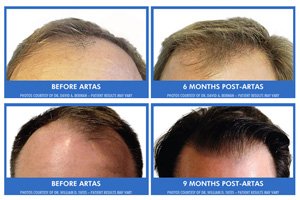
We utilize modern Follicular Unit Extraction (FUE) and meticulous graft placement to achieve restoration that looks subtle, balanced, and undetectably natural.
Minimal downtime
Virtually imperceptible scarring
Natural growth direction and density
Long-lasting, permanent results
A Private, Elevated Experience
Customized care from consultation through recovery.
Your treatment is performed in a refined clinical setting under local anesthesia for comfort and privacy. Most patients resume normal activities within days, with progressive improvement over the months that follow.
There is no template approach — only a carefully designed plan tailored to your anatomy, pattern of loss, and long-term goals.
Confidence, Restored. Subtle. Seamless. Enduring. Hair restoration performed with surgical excellence and aesthetic vision.
Explore Treatment Paths
One comprehensive page with distinct treatment sections.
The current “bubble” topics are preserved below as dedicated sections on this page, so visitors can quickly scan the overview and then move into the option most relevant to them.
Hair Transplant
Permanent restoration using your own follicles, placed with precision for natural density and refined hairline design.
Ideal candidates include men and women experiencing thinning hair, receding hairlines, crown balding, or a desire for fuller density. Hair transplantation is best suited for patients seeking a permanent solution delivered with sophistication and precision.
Every graft is strategically placed to recreate a soft, natural pattern that appears native to you — never abrupt, pluggy, or overdone.
Hair restoration does not always begin in the operating room. For many patients, medical therapy offers a powerful first step in slowing progression and, in some cases, improving density. Modern treatments target the biological drivers of thinning, most commonly hormonal sensitivity and follicular miniaturization.
Targeted treatment options
Prescription oral therapies: Medications such as finasteride or dutasteride may reduce DHT-related miniaturization and help protect existing hair.
Topical therapies: Topical minoxidil may prolong the growth phase of hair and improve thickness with consistent use.
Evidence-informed supplements: Saw palmetto, iron when indicated, zinc, and other supportive nutrients may complement a comprehensive plan.
Regenerative adjuncts: PRP or other regenerative options may be paired with medical therapy to support long-term density.
A strategic, personalized approach
Most effective when thinning is identified early
Works best when hormonal, nutritional, or inflammatory contributors are addressed
Can function as standalone treatment for mild thinning
Often used alongside transplant procedures to preserve native hair
Hair loss is progressive, so ongoing evaluation helps refine the plan as needs evolve.
Minimally Invasive Hair Restoration
Regenerative science. Natural renewal.
For patients seeking early intervention or additional support alongside medical therapy, minimally invasive regenerative treatments can help stimulate dormant follicles, improve scalp health, and enhance the natural growth cycle with little to no downtime.
Platelet-Rich Plasma (PRP): Uses concentrated growth factors from your own blood to reduce shedding, improve thickness, and support regrowth.
Exosome-based therapies: Advanced regenerative support designed to improve the follicular environment for select patients.
Red-light therapy: Low-level light may improve circulation, reduce inflammation, and support overall density.
These options are ideal for early-stage thinning, maintenance after transplant, or integrative plans that combine surgical and nonsurgical support.
Women’s Hair Restoration
Thoughtful. Personalized. Naturally refined.
Hair thinning in women is often subtle, progressive, and deeply personal. Rather than complete baldness, it more commonly appears as diffuse thinning, widening of the part, or reduced overall density. Our approach is designed with sensitivity and precision.
Preserve and strengthen
Topical minoxidil remains a foundational option for many patients
Carefully selected hormonal or oral therapies may be considered when appropriate
Nutritional optimization may support overall scalp and follicular health
PRP, exosomes, and red-light therapy may support early or moderate thinning
Restore with precision
For women with stable thinning patterns and adequate donor density, FUE hair transplantation can enhance density along the part line, crown, or hairline with discreet graft harvesting and soft, natural placement.
Many women benefit from a layered strategy that combines medical stabilization, regenerative enhancement, and targeted surgical refinement.
Understanding Male Pattern Hair Loss
The Norwood classification and strategic zones.
Male pattern hair loss progresses in recognizable patterns. The Norwood Classification System helps define stage and guide treatment planning, whether the best fit is medical management, regenerative therapy, surgical restoration, or a layered combination.
Norwood overview
Norwood I–II: Minimal to early temple recession
Norwood III / III Vertex: Clinically significant recession, sometimes with early crown thinning
Norwood IV–V: More pronounced frontal and crown loss with thinning between zones
Norwood VI–VII: Advanced loss requiring especially careful donor conservation and long-term design
1. Hairline Zone
Defines facial framing and age perception. Requires soft, irregular design and precise single-graft placement.
2. Frontal Zone
The most visually important density zone. Multi-hair grafts create fullness and structural strength.
3. Crown Zone
Circular growth pattern requiring strategic placement and tapered density for a natural look.
Strategic planning ensures natural density gradients, proper donor conservation, and balanced results that still look harmonious as hair loss continues to evolve over the next 10–20 years.
Scalp Assessment & Strategic Planning
Precision before procedure.
Successful hair restoration begins long before graft placement. The donor area is finite, so evaluation focuses on donor strength, pattern stability, and projected progression in order to create results that remain natural for decades.
Donor capacity
Donor density
Hair caliber and texture
Scalp laxity
Miniaturization within the donor zone
Family history and projected progression
Long-term design
Current Norwood classification and rate of change
Age and hormonal factors
Response to medical therapy
Age-appropriate hairline placement
Conservation of donor supply over a lifetime
Procedure selection depends on donor characteristics, lifestyle, and long-term goals. FUE offers individual graft harvesting, minimal linear scarring, and flexibility for smaller, highly strategic sessions.
What to Expect
A plan that fits your pattern, goals, and timeline.
Private consultation with detailed pattern and donor assessment
Customized plan that may combine medical, regenerative, and surgical options
Outpatient treatment with local anesthesia when transplant is recommended
Progressive growth over the months that follow treatment
This page is for education only. Individual treatment plans and results vary.
Candidate Considerations
Natural results begin with the right strategy.
Men and women may both qualify depending on stability, donor availability, and overall pattern.
Nonsurgical therapy can be the right first step when progression is early or ongoing.
Not every zone should be treated the same way; facial framing, frontal density, and crown design each require different priorities.
Request a Consultation
Confidence, restored with a personalized plan.
If you are noticing thinning, recession, or reduced density, we invite you to schedule a private consultation to explore a science-driven hair restoration plan tailored to you.