So, you’re curious about whether a tummy tuck, or abdominoplasty, is the magic bullet for a flatter abdomen? The short answer is: yes, it can be remarkably effective for achieving a more toned and contoured midsection, but it’s a surgical procedure with specific criteria, not a weight-loss solution.
Understanding What a Tummy Tuck Actually Does
A tummy tuck isn’t about shedding pounds. Instead, it’s designed to address excess skin and fat that often lingers after significant weight loss, pregnancy, or simply due to age and genetics. Think of it as a sculpting process for your abdominal area.
The Core of the Procedure: What’s Really Happening?
At its heart, an abdominoplasty involves surgically removing loose skin and tightening the underlying abdominal muscles. This is crucial because sometimes those muscles can become stretched and separated, a common occurrence after pregnancy, leading to that “pooch” that diet and exercise just can’t seem to budge.
Tightening Those Core Muscles: The Abdominal Repair
This is often the most significant part of the surgery for many individuals. If your abdominal muscles (the rectus abdominis, often called the “six-pack muscles”) have separated – a condition known as diastasis recti – the surgeon will bring them back together and stitch them into a more taut position. This not only flattens the belly outward but also strengthens your core.
Addressing Loose Skin: Where Does It Go?
The excess skin that hangs or sags is carefully removed from the lower abdomen, extending from hip bone to hip bone. The remaining skin is then pulled down and reattached, creating a smoother, tighter contour.
What a Tummy Tuck Doesn’t Do
It’s important to set realistic expectations. A tummy tuck is not a shortcut to weight loss. If you’re significantly overweight, your surgeon will likely recommend losing weight first. The procedure works best on individuals who are already close to their ideal body weight but are struggling with persistent abdominal laxity and excess skin.
Not a Weight Loss Mirac.le
While some minor weight loss might occur due to the removal of skin and a small amount of fat, the primary goal isn’t scale reduction. Trying to use it as a substitute for a healthy diet and regular exercise will likely lead to disappointment.
Where It Won’t Solve Problems
A tummy tuck is primarily for the front of your abdomen. It won’t address issues with your back, flanks (sides of your waist), or overall body fat distribution. For those areas, liposuction or other body contouring procedures might be more appropriate, sometimes in combination with a tummy tuck.
If you’re considering a belly tuck, you may also find it beneficial to read about the various factors that influence recovery after such a procedure. Understanding the healing process can help set realistic expectations and ensure a smoother recovery. For more insights, check out this related article on recovery tips for tummy tuck patients at Elysian Plastic Surgery.
Who Is a Good Candidate for a Tummy Tuck?
The ideal candidate for a tummy tuck is generally someone who is in good overall health, is at a stable weight, and has realistic expectations about what the surgery can achieve.
The Healthiest Path Forward: Medical Considerations
Your surgeon will want to ensure you’re medically fit for surgery. This involves discussing your medical history, current health conditions, and any medications you’re taking. Smoking, for instance, can significantly impact healing, and you’ll likely be asked to quit well in advance of the procedure.
Stable Weight: The Foundation for Success
Having a stable weight is crucial. If you’ve recently undergone significant weight loss or are planning to lose more, it’s best to wait until your weight has been consistent for at least six months. Significant fluctuations can undo the results of the surgery.
Realistic Expectations: The Mental Preparation
Understanding the limitations and potential outcomes of a tummy tuck is vital. It’s about improving your body’s contour and confidence, not about achieving an unattainable ideal. Discussing your goals openly with your surgeon will help ensure you’re on the same page.
Pregnancy and Future Childbearing: A Key Factor
If you plan on having more children in the future, it’s often recommended to postpone a tummy tuck. Pregnancy will stretch the abdominal muscles and skin again, potentially reversing the results of the surgery.
The Impact of Future Pregnancies
Pregnancy can undo the muscle repair and stretching of the skin that a tummy tuck achieves. While the surgery itself won’t harm a future pregnancy, it’s generally more cost-effective and practical to have the procedure after you’ve completed your family.
When is it the Right Time?
Many women opt for a tummy tuck after they’ve finished having children and are comfortable with their family size. The same applies to individuals who have experienced significant weight loss and are no longer planning further major weight changes.
The Tummy Tuck Procedure: What to Expect
The surgery itself is performed under general anesthesia. The approach can vary slightly depending on the extent of correction needed, but the core steps remain similar.
Pre-Surgery Preparations: Setting the Stage
Before your surgery, you’ll have a consultation with your plastic surgeon. This is where you’ll discuss your medical history, go over the risks and benefits, and have your abdomen marked to show where the incisions will be made. You’ll also receive instructions on how to prepare, which often includes dietary guidelines and what medications to avoid.
The Consultation: Your Opportunity to Ask Questions
Don’t be shy! This is your chance to voice all your concerns and ask anything that comes to mind. Good surgeons will take the time to explain the procedure in detail, show you before-and-after photos, and help you understand what results are realistic for you.
What to Pack for a Smooth Stay
If you’re having the procedure as an outpatient, you’ll need someone to drive you home. If it’s an overnight stay, pack comfortable clothing, toiletries, and anything to keep you entertained.
The Surgical Steps: A Step-by-Step Breakdown
The surgery typically involves an incision made low on the abdomen, usually from hip to hip, hidden just above the pubic area. The skin and fat layer is then lifted, allowing access to the abdominal muscles.
Incision Placement for Optimal Results
The length and shape of the incision depend on the amount of excess skin and where it’s located. Your surgeon will aim for the scar to be easily concealable by swimwear or underwear.
Muscle Tightening and Skin Redraping
Once the muscles are tightened, the excess skin is pulled down and trimmed. The skin is then carefully stitched back together, creating a smoother abdominal contour. If a belly button revision is needed, it will be done at this stage, repositioning it to fit the new abdominal shape.
Post-Operative Care: The Road to Recovery
Recovery is a significant part of the process. You’ll likely wear a compression garment to help reduce swelling and support the healing tissues. Pain medication will be prescribed to manage discomfort, and you’ll have follow-up appointments to monitor your progress.
The Compression Garment: Your Post-Op Companion
This special garment is essential for optimal healing. It helps minimize swelling, provides support to the newly tightened tissues, and aids in shaping your abdomen. You’ll typically need to wear it for several weeks.
Managing Pain and Swelling: Tips for Comfort
Discomfort is normal after surgery, but it’s usually manageable with prescribed pain medication. Swelling can also be significant and will gradually subside over weeks and months. Elevating your legs when resting can help reduce swelling.
Recovery and Results: What to Expect Over Time
The initial recovery will require rest and limited activity. As you heal, you’ll gradually be able to resume your normal routine, and the final results will become more apparent over several months.
The First Few Weeks: Taking It Easy
You’ll need to avoid strenuous activity, heavy lifting, and even bending for the first few weeks. Short, gentle walks are encouraged to promote circulation and prevent blood clots. It’s important to listen to your body and not push yourself too hard.
Gentle Movement and Circulation
Your surgeon will advise on when and how to start moving. Even simple exercises like walking can be beneficial for your recovery.
Staying Hydrated and Nourished
A healthy diet and plenty of fluids will support your body’s healing process. Focus on nutrient-rich foods that aid in tissue repair.
Gradual Return to Normalcy: Reintroducing Activity
Over the following weeks and months, you’ll gradually be able to increase your activity levels. Many people are able to return to non-strenuous work within a couple of weeks, while more demanding jobs or exercises may take longer.
When Can I Exercise Again?
This is a common question, and the answer varies. High-impact activities and heavy weightlifting will likely be off-limits for at least six to eight weeks, and sometimes longer. Always consult your surgeon before resuming any exercise routine.
Seeing the Final Results: Patience is Key
You’ll notice a significant change relatively soon after surgery, but the final results – including the complete resolution of swelling – can take anywhere from six months to a year to fully manifest.
If you’re considering a belly tuck, you might find it helpful to read about the recovery process after other procedures, such as breast augmentation. Understanding the recovery journey can provide valuable insights into what to expect. For more information, check out this informative article on recovering after MTF breast augmentation, which outlines essential tips and advice that can be beneficial for anyone undergoing cosmetic surgery.
Risks and Considerations: Being Informed
Like any surgical procedure, a tummy tuck carries some risks. It’s important to discuss these thoroughly with your surgeon to make an informed decision.
Potential Complications: What Can Go Wrong?
While a tummy tuck is generally safe, potential complications can include infection, bleeding, poor wound healing, scarring, and fluid accumulation (seroma). Numbness in the abdominal area is also common and can be temporary or, in rare cases, permanent.
Infection and Bleeding: Standard Surgical Risks
These are risks associated with any surgery. Your surgical team will take all necessary precautions to minimize these risks.
Scarring: An Inevitable Part of the Process
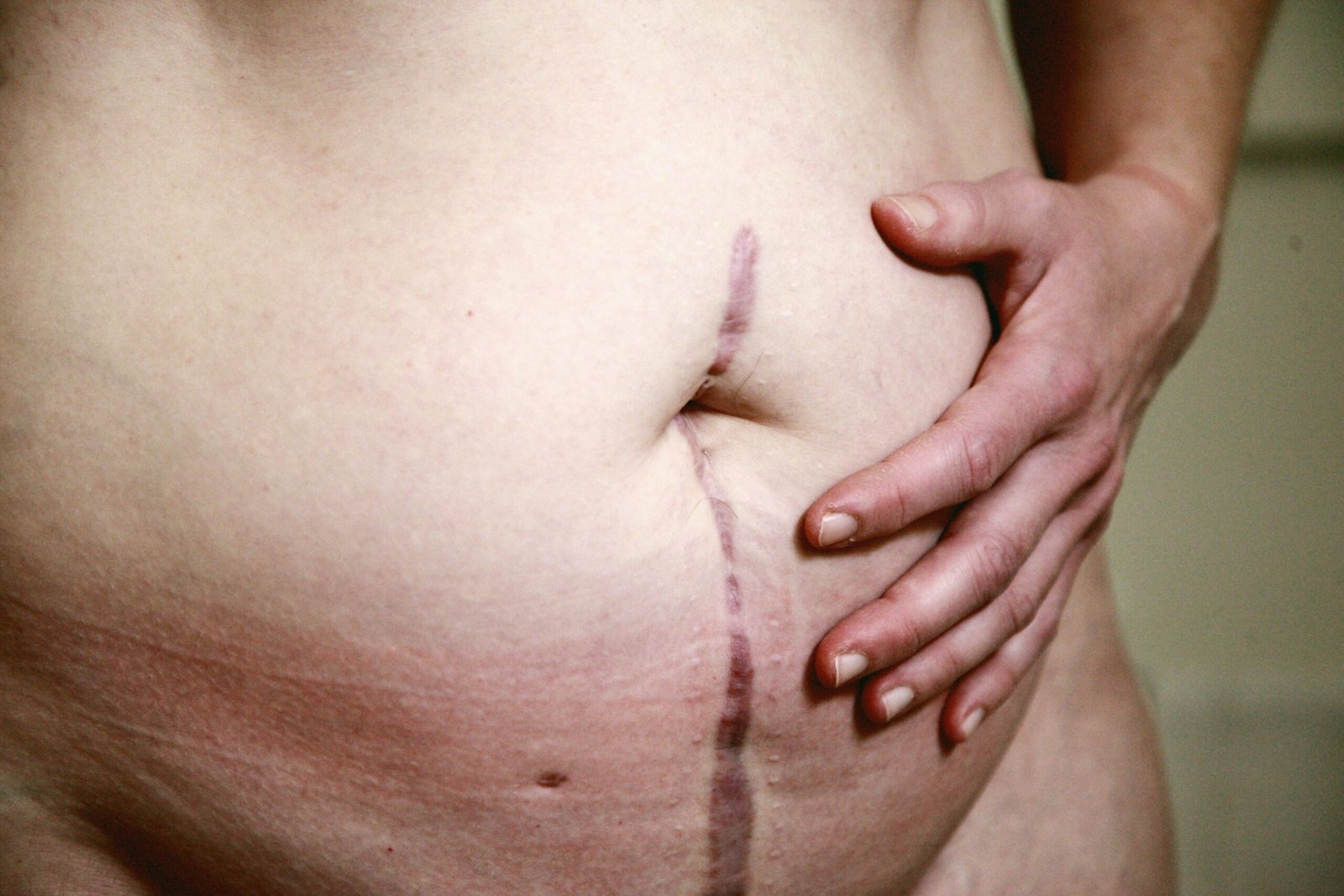
There will be a scar, but plastic surgeons are skilled at placing it in a location where it can be easily hidden. Over time, scars usually fade significantly.
What About Revision Surgery?
In some cases, a revision surgery might be necessary to refine the results, address minor asymmetries, or deal with complications that may have occurred. This is not always the case, but it’s good to be aware of the possibility.
When is Revision Considered?
Revisions are typically considered if there are significant aesthetic concerns or functional issues with the original outcome. Your surgeon will assess if a revision is necessary and beneficial.
Discussing Long-Term Satisfaction
Open communication with your surgeon throughout the process, including any post-operative concerns, is crucial for long-term satisfaction.
In conclusion, a tummy tuck can be a transformative procedure for those struggling with excess abdominal skin and muscle laxity, offering a path to a firmer, more contoured midsection. However, it’s a significant surgical undertaking that requires careful consideration of your health, lifestyle, and realistic expectations. By thoroughly understanding the procedure, recovery, and potential risks, you can make an informed decision about whether this surgery is the right step for you.