So you’re curious about panniculectomy? It’s a surgery that removes a large fold of skin and fat, often caused by significant weight loss. Think of it as a way to get rid of that hanging apron of skin that can cause discomfort and hygiene issues. This article will break down what you need to know, from who might benefit to what the recovery is like, in a straightforward, no-nonsense way.
Essentially, a panniculectomy is a surgical procedure to remove the “pannus,” which is the excess apron of skin and fat that hangs down from the abdomen. This often happens after major weight loss, either through diet, exercise, or bariatric surgery. While it might sound similar to a tummy tuck (abdominoplasty), there’s a key difference.
The Pannus Explained
The pannus isn’t just a little bit of extra skin. It’s a significant amount that can extend past the pubic area. Its weight and bulk can cause a host of problems, making it more than just an aesthetic concern for many individuals.
Panniculectomy vs. Abdominoplasty
While both procedures involve removing abdominal skin and fat, their primary goals differ. A panniculectomy is mainly functional – it’s about removing the problematic pannus to improve hygiene, reduce skin irritation, and ease mobility. An abdominoplasty, on the other hand, is more focused on cosmetic contouring, tightening the abdominal muscles, and creating a flatter, more toned appearance. Sometimes, a panniculectomy is performed as part of a larger abdominoplasty, but not always. The focus here is on the dedicated removal of that hanging excess.
Panniculectomy is a surgical procedure often sought by individuals looking to remove excess skin and fat, particularly after significant weight loss. For those interested in understanding the growing trend of plastic surgery among men, a related article discusses the increasing popularity of various cosmetic procedures in the male demographic. This article provides insights into the motivations behind these choices and highlights the evolving perceptions of masculinity in relation to body image. To learn more about this trend, you can read the article here: Plastic Surgery for Men: Increasing in Popularity.
Who is a Good Candidate for Panniculectomy?
This isn’t a procedure for everyone. Generally, it’s for people who have reached a stable weight and are experiencing specific issues related to their abdominal skin.
Significant Weight Loss as a Prerequisite
The most common reason people need a panniculectomy is after losing a substantial amount of weight. Elasticity in the skin diminishes over time, and once stretched beyond a certain point, it may not retract significantly on its own.
Stable Weight is Key
Surgeons will almost always require patients to maintain a stable weight for at least six months to a year before considering surgery. Rapid weight fluctuations after the procedure can compromise the results.
Medical Necessity Over Pure Aesthetics
While improved body image is a welcome outcome, the decision for a panniculectomy is often driven by medical necessity.
Hygiene Issues
The folds of the pannus can trap moisture, sweat, and bacteria, leading to recurring skin infections, rashes, and open sores. This can be a constant source of discomfort and require diligent, sometimes difficult, cleaning.
Mobility Impairment
A large pannus can physically get in the way, making daily activities like walking, bending, or even sitting comfortably a challenge. It can also interfere with proper posture.
Back Pain
The added weight and altered center of gravity due to the pannus can contribute to or exacerbate back pain.
Other Factors
Your overall health is a major consideration. Surgeons will assess your ability to tolerate surgery and anesthesia. Smoking is also a significant concern, as it can impair healing and increase complication risks.
The Surgical Procedure: What to Expect

Undergoing any surgery can be daunting, so understanding the process beforehand can help ease some anxiety.
Pre-Operative Consultations
You’ll have appointments with your surgeon to discuss your medical history, the procedure in detail, and what outcomes you can realistically expect. This is your time to ask all your questions.
Medical Evaluation
Expect comprehensive medical tests, including blood work and potentially other screenings, to ensure you’re fit for surgery. Your surgeon will also want to review any existing medical conditions and medications you’re taking.
Setting Realistic Expectations
It’s crucial to have an honest conversation about the potential results and limitations of the surgery. Your surgeon will explain what can be achieved and what might not be possible.
The Surgery Itself
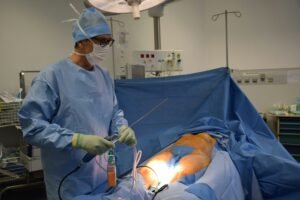
A panniculectomy is typically performed under general anesthesia. The exact technique will depend on the amount of skin and fat to be removed, and your surgeon’s preference.
Incision Placement
The primary incision is usually made horizontally across the lower abdomen, from hip bone to hip bone, often in the area of a previous C-section scar, if applicable. The goal is to place it low enough to be concealed by underwear or swimwear.
Removal of Tissue
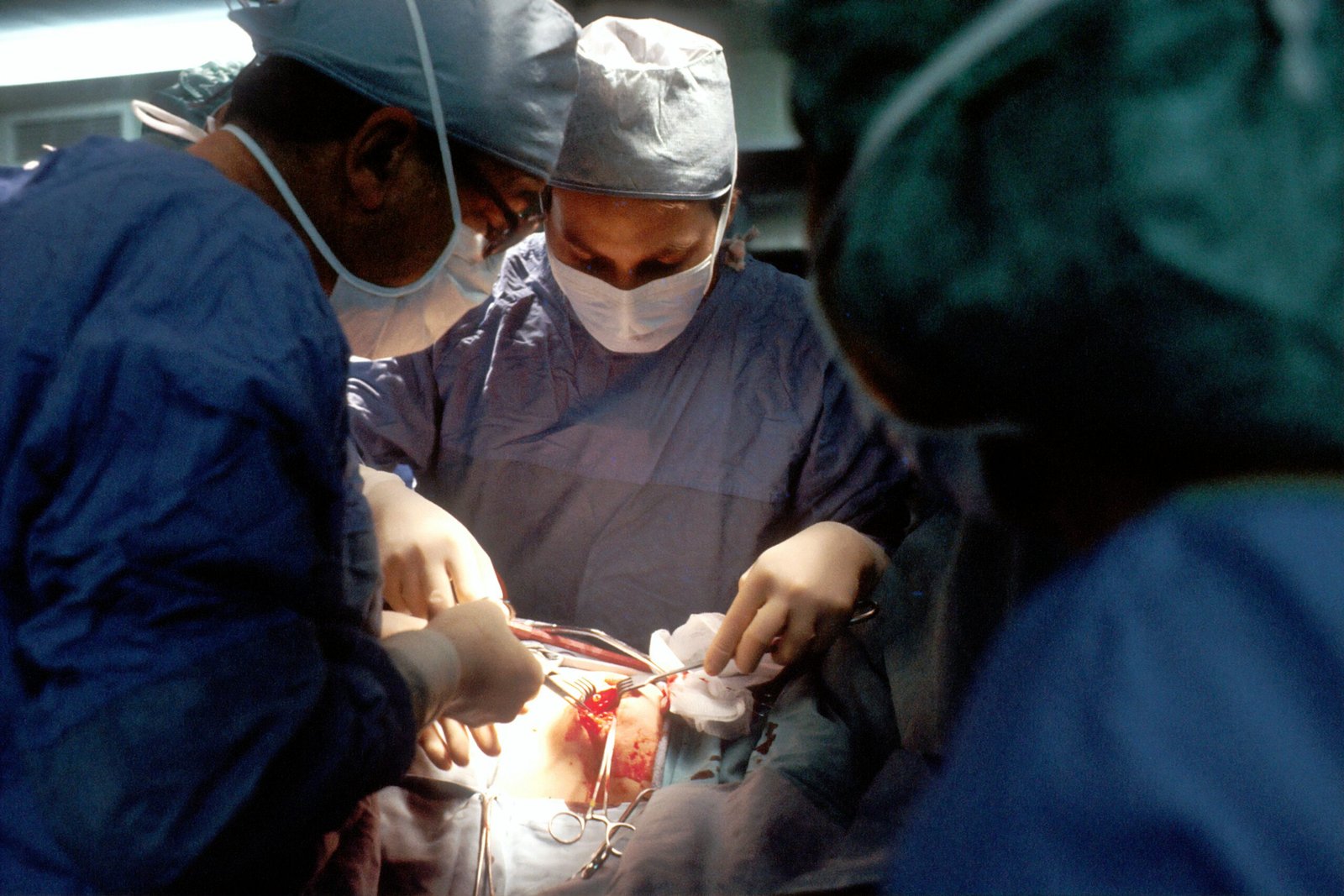
The surgeon will lift the abdominal skin and fat, remove the excess pannus, and then pull the remaining skin down and reattach it. In some cases, the belly button might be repositioned, but this is more common in a full abdominoplasty. The focus for a panniculectomy is primarily on excising the hanging tissue.
Closing the Incision
The skin is carefully closed with sutures, and surgical drains are often placed to help remove excess fluid.
Duration of Surgery
The length of the surgery can vary but typically ranges from two to four hours, depending on the complexity and the amount of tissue removed.
Recovery and Healing: Getting Back on Your Feet

Recovery is a significant part of the journey, and patience is key. It’s not a quick fix, and following your surgeon’s instructions is paramount.
Immediate Post-Operative Period
You’ll spend some time in a recovery room after the surgery. Pain management will be a priority, and you’ll likely be given pain medication.
Hospital Stay
Many panniculectomy patients stay in the hospital for one to three days, allowing for close monitoring and initial pain management.
Drains and Dressings
Surgical drains will remain in place for a period, typically a week or two, to prevent fluid accumulation. You’ll have dressings on your incisions, and you’ll be instructed on how to care for them.
The Weeks Following Surgery
Your initial days at home will involve rest and careful movement.
Pain and Discomfort
Expect soreness, swelling, and bruising. This is normal. Your surgeon will prescribe pain medication to help manage this.
Activity Restrictions
You’ll need to avoid strenuous activities, heavy lifting, and vigorous exercise for several weeks. Walking is encouraged, as it aids circulation and helps prevent blood clots, but it should be gentle. Bending and twisting should be minimized.
Wearing a Compression Garment
A specialized compression garment will be essential. This helps reduce swelling, support the healing tissues, and mold the contours of your abdomen. You’ll likely wear this almost continuously for several weeks.
Long-Term Recovery
Healing is a gradual process that extends for months.
Scarring
You will have scars. While surgeons do their best to minimize their visibility and place them strategically, they are a permanent reminder of the surgery. Over time, they will fade but will likely remain noticeable.
Swelling and Numbness
Swelling can persist for several months, gradually subsiding. Some numbness or altered sensation in the abdominal area is also common and can take many months to return, if at all.
Returning to Normal Activities
Most people can return to light work within two to four weeks, but full recovery and return to normal exercise routines can take three to six months or even longer.
Panniculectomy is a surgical procedure that can significantly improve the quality of life for individuals dealing with excess skin after significant weight loss. If you’re also concerned about sagging skin in other areas, you might find it helpful to read about the options available for addressing hanging upper arm skin. This related article provides insights into the procedure and recovery process, making it a valuable resource for anyone considering body contouring options. For more information, you can check out the article on hanging upper arm skin.
Potential Risks and Complications
| Metrics | Values |
|---|---|
| Procedure Name | Panniculectomy |
| Average Cost | 8,000 – 15,000 |
| Recovery Time | 2-4 weeks |
| Complication Rate | 2-5% |
| Success Rate | 90-95% |
Like any surgical procedure, panniculectomy carries risks. It’s important to be aware of these so you can make an informed decision.
Common Risks
These are issues that can occur, but are often manageable.
Infection
As with any surgery, there’s a risk of infection at the incision sites. This is why proper wound care is so important.
Bleeding and Hematoma
Excessive bleeding during or after surgery can lead to a hematoma, a collection of blood under the skin.
Seroma
A seroma is a collection of fluid under the skin, similar to a hematoma but with clear fluid. Drains help minimize this risk.
Poor Scar Healing
Some individuals may develop hypertrophic scars (raised and red) or keloids (tissue that grows beyond the original wound boundaries).
Skin Necrosis
In rare cases, areas of skin might not receive enough blood flow and can die, a complication known as skin necrosis. This is more common in smokers or those with compromised circulation.
Less Common but More Serious Complications
These are less frequent but can have more significant consequences.
Blood Clots
Deep vein thrombosis (DVT) and pulmonary embolism (PE) are serious risks associated with any major surgery. Measures are taken to minimize these risks, like early mobilization.
Anesthesia Risks
As with any general anesthesia, there are risks associated with its administration.
Asymmetry
While surgeons aim for symmetry, there’s always a possibility of minor asymmetry in the appearance of the abdomen.
Changes in Skin Sensation
Permanent numbness or altered sensation can occur in the treated area.
Need for Revision Surgery
In some cases, revision surgery might be necessary to address any complications or to refine the results.
Your surgeon will discuss all these potential risks with you in detail during your consultation.
The Long-Term Outcome and Lifestyle Adjustments
A panniculectomy can significantly improve quality of life, but it’s not a magic bullet. You’ll need to maintain certain habits to preserve your results.
Improved Quality of Life
For individuals who were significantly hindered by their pannus, the surgery can be life-changing.
Freedom from Discomfort
The relief from skin irritation, infections, and physical discomfort is often the most impactful benefit.
Increased Mobility and Confidence
Being able to move more freely and comfortably can boost confidence and allow for participation in activities previously avoided.
Maintaining Your Results
The weight of the removed tissue will be gone, but the remaining skin needs care.
Healthy Weight Maintenance
The biggest factor in preserving your results is maintaining a stable, healthy weight. Regaining significant weight can stretch the skin again and compromise the surgical outcome.
A Healthy Diet
A balanced diet supports overall health and healing and is crucial for weight management.
Regular Exercise
Consistent, moderate exercise is important for overall health and can help with weight maintenance. However, remember to follow your surgeon’s advice on when you can return to more vigorous activities.
Understanding the Scar
While the scars will fade over time, they are a permanent part of the outcome. Scar management creams and silicone sheets can help improve their appearance.
A panniculectomy is a serious surgical undertaking with significant recovery. It’s a procedure that offers substantial benefits for those whose lives are genuinely impacted by a large abdominal pannus, addressing functional and hygienic issues that can be debilitating. If you’re considering this surgery, thorough research, open communication with your surgeon, and a realistic understanding of the process are your best tools.