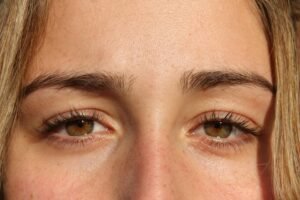
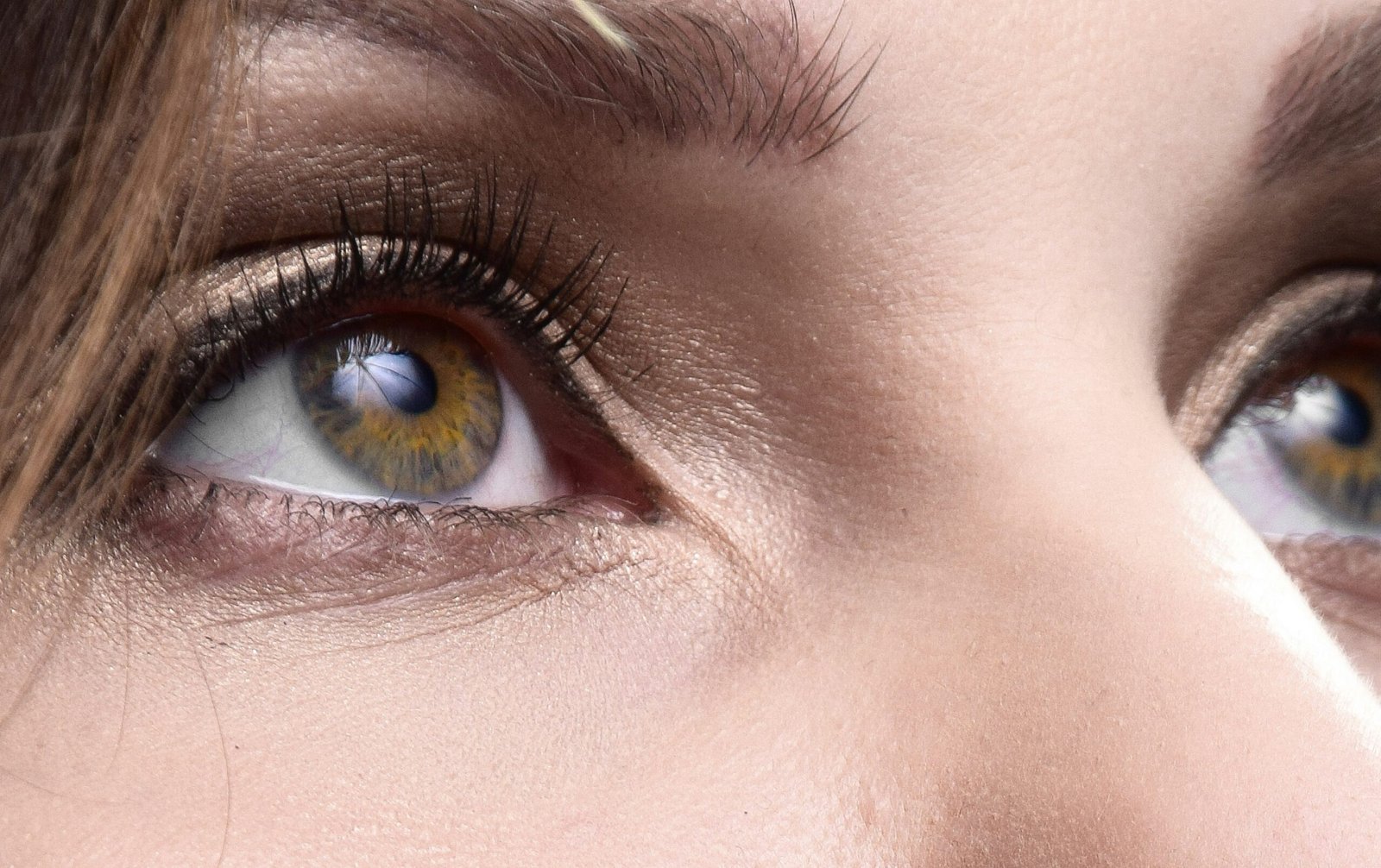
Ever thought about refreshing your look, maybe by tackling those tired-looking eyelids? You’re not alone. A lot of people consider blepharoplasty, often called eyelid surgery, when they want to address drooping eyelids, under-eye bags, or excess skin that can make them appear older or more fatigued than they feel. The good news is that blepharoplasty can be a straightforward way to achieve a more rested and rejuvenated appearance.
What Exactly is Blepharoplasty?
At its heart, blepharoplasty is a surgical procedure designed to improve the appearance of the eyelids. It’s not about changing your fundamental features, but rather about subtly refining them. The surgery can target either the upper eyelids, the lower eyelids, or both. The goal is usually to remove excess skin, fat, or muscle that can contribute to a heavy, droopy, or permanently tired look. Think of it as a way to gently “lift” and redefine the eye area, bringing back a more alert and youthful expression.
Addressing Upper Eyelid Concerns
When we talk about upper eyelid blepharoplasty, we’re primarily looking at excess skin that hangs down. This can sometimes be so significant that it even obstructs your vision, impacting your field of sight. It’s a common concern for many, both for aesthetic reasons and for functional improvement.
The Impact of “Hooding”
That extra skin on the upper eyelid is often referred to as “hooding.” It can make your eyes look smaller, your brow appear heavy, and contribute to an overall aged appearance. For some, it can also make wearing eyeshadow a challenge, as the makeup just disappears under the overhang.
Functional vs. Aesthetic Reasons
While many opt for upper eyelid surgery purely for the cosmetic benefits, for some individuals, the drooping skin can actually impair their vision. If your upper eyelids are significantly blocking your peripheral vision, making it difficult to see upwards or sideways, blepharoplasty can be a functional necessity as well as a cosmetic improvement. It’s a good idea to discuss any visual disturbances with your surgeon during your consultation.
Tackling Lower Eyelid Issues
Lower eyelid blepharoplasty focuses on issues like under-eye bags, puffiness, and the fine lines or wrinkles that can form in that delicate area. These concerns can often make us look perpetually weary, even when we’re well-rested.
The Reality of Under-Eye Bags
Under-eye bags are often caused by fat that can protrude forward as we age and the surrounding tissues weaken. Lower eyelid blepharoplasty can involve repositioning or removing this excess fat, smoothing out the contour of the under-eye area and reducing that puffy, tired look.
Fine Lines and Loose Skin
Beyond the bags, the skin on the lower eyelids can also become loose and crepey. While blepharoplasty primarily addresses fat and excess skin removal, some surgeons may incorporate techniques to tighten the remaining skin or address fine lines, often in conjunction with other treatments.
Blepharoplasty, commonly known as eyelid surgery, is a popular cosmetic procedure aimed at enhancing the appearance of the eyes by removing excess skin and fat. For those interested in exploring related cosmetic enhancements, you may find the article on male enhancement procedures insightful. It discusses various options available for men looking to improve their appearance, including surgical and non-surgical treatments. To learn more, visit the article here: Elysian Plastic Surgery and Male Enhancement Doctor.
The Surgical Process: What to Expect
Undergoing any surgical procedure can bring up questions, and blepharoplasty is no different. Understanding the steps involved can help you feel more prepared. It’s generally a well-tolerated procedure with a relatively straightforward recovery.
The Consultation: Your First Step
This is where the journey really begins. During your consultation, you’ll meet with your surgeon to discuss your goals and concerns. They’ll examine your eyes, assess your skin’s elasticity, and talk about your medical history. This is your prime opportunity to ask all your questions and understand what blepharoplasty can realistically achieve for you. Your surgeon will also explain the risks and benefits, and determine if you’re a good candidate.
Setting Realistic Expectations
It’s crucial to have a clear understanding of what blepharoplasty can and cannot do. The surgery aims to rejuvenate and refresh, not to dramatically change your facial structure. Your surgeon will guide you on what results are achievable based on your individual anatomy and goals.
Understanding the Risks
Like any surgery, blepharoplasty carries some risks. Your surgeon will detail these, which can include infection, bleeding, dry eyes, difficulty closing your eyes completely, changes in sensation, and scarring. While these are uncommon, being aware of them is part of informed consent.
The Procedure Itself
Blepharoplasty is typically performed as an outpatient procedure, meaning you’ll likely go home the same day. It can be done under local anesthesia with sedation, or sometimes general anesthesia, depending on the extent of the surgery and your preference.
Incision Placement: Where the Magic Happens
For upper eyelid surgery, incisions are usually made in the natural crease of the eyelid. This is strategic because it helps to hide any resulting scars once healing is complete. For lower eyelid surgery, the incision is often made just below the lash line, again, to minimize visibility. In some cases, for purely fat removal on the lower lids, the incision can be made from the inside of the eyelid (transconjunctival approach), leaving no visible external scar.
Removing Excess Tissue
Once the incisions are made, your surgeon will carefully remove the excess skin, fat, or muscle contributing to your concerns. This is done meticulously to achieve the desired aesthetic outcome while preserving the function of your eyelids.
Closing the Incisions
After the excess tissue is removed, the incisions are closed with fine sutures. These are often dissolvable, or if not, they will be removed at a follow-up appointment.
Blepharoplasty, or eyelid surgery, is a popular procedure aimed at rejuvenating the appearance of the eyes by removing excess skin and fat. Many individuals considering this surgery often wonder about the factors that contribute to aging around the eyes, including lifestyle habits such as sleep. For those interested in understanding how sleep can impact skin health and contribute to wrinkles, a related article discusses the effects of sleep on beauty and aging. You can read more about it in this insightful piece on beauty sleep.
Recovery and Aftercare: What to Anticipate
The recovery period is a key part of the process. While many people are back to their normal routines relatively quickly, it’s important to follow your surgeon’s instructions carefully to ensure optimal healing and results.
Immediate Post-Op
Following surgery, you’ll likely experience some swelling, bruising, and discomfort. Cold compresses are your best friend during this initial phase to help manage swelling. You’ll be given eye drops and medication to help with pain and prevent infection. It’s essential to keep your head elevated when resting or sleeping.
The First Few Weeks
In the first week or two, the most noticeable swelling and bruising will gradually subside. You’ll likely have a follow-up appointment to have any non-dissolvable sutures removed. Most people can return to light activities and work within a week to ten days.
Long-Term Healing and Results
Full recovery can take several months. While the initial visible healing happens relatively quickly, the tissues continue to settle, and the scars will continue to fade and mature. The final results of your blepharoplasty will become apparent over time, leading to a refreshed and more alert appearance.
Beyond the Surgery: Complementary Treatments
While blepharoplasty is a powerful tool for rejuvenation, it can sometimes be even more effective when combined with other treatments. These can address different aspects of aging or enhance the overall results.
Injectables: Botox and Dermal Fillers
- Botox: This popular injectable is excellent for softening dynamic wrinkles, like crow’s feet around the eyes and the “11” lines between the brows. If these lines are contributing to an aged or tired appearance, Botox can complement the results of blepharoplasty by smoothing these areas. It’s important to note that blepharoplasty targets excess skin and fat, while Botox addresses muscle activity that causes wrinkles.
- Dermal Fillers: For areas of volume loss, particularly under the eyes where hollowness can create dark circles or accentuate tear troughs, dermal fillers can be very effective. Fillers can plump up these areas, creating a smoother transition between the lower lid and the cheek, and can work well in conjunction with lower eyelid surgery, though timing is key and should be discussed with your surgeon.
Laser Skin Resurfacing
If you have significant fine lines and textural issues on the lower eyelids, or even on the upper lids if there’s some laxity outside the area addressed by blepharoplasty, laser resurfacing can be a great option. Lasers can stimulate collagen production, leading to tighter, smoother skin. This can be particularly beneficial for improving the quality of the skin in the eye area after the structural concerns have been addressed by surgery.
Chemical Peels
Similar to laser treatments, chemical peels can offer skin rejuvenation by removing the outer layer of damaged skin. They can help to improve skin texture, reduce fine lines, and address mild discoloration around the eyes. Lighter peels can be used more frequently, while deeper peels offer more dramatic results but require a longer recovery.
Who is a Good Candidate for Blepharoplasty?
Determining if you’re a suitable candidate for blepharoplasty involves a few key considerations. It’s not a one-size-fits-all procedure, and your surgeon will be the best person to assess your individual suitability.
Physical Health
Generally, good overall health is a prerequisite for any elective surgery. You should not have any underlying serious medical conditions that could complicate the procedure or recovery. Conditions affecting the eyes, such as severe dry eye syndrome, glaucoma, or detachment of the retina, will need thorough evaluation by your surgeon to ensure it’s safe for you to proceed.
Realistic Expectations and Motivation
As mentioned before, having a clear and realistic understanding of what blepharoplasty can achieve is vital. If you are seeking dramatic changes or are having the surgery for reasons other than personal improvement, you might not be the ideal candidate. Patients who are motivated by a genuine desire to look and feel better about themselves tend to be happier with their outcomes.
Age and Skin Elasticity
While there isn’t a strict age limit, blepharoplasty is often sought by individuals in their late 30s and beyond. The degree of skin laxity and the amount of excess skin or fat are important factors. Younger individuals with significant genetic predisposition to eyelid issues might also be good candidates. Good skin elasticity can contribute to a smoother recovery and a more refined final result.
Specific Concerns Addressed
The ideal candidate is someone experiencing specific concerns that blepharoplasty can effectively address. This includes:
- Upper Eyelids: Significant excess skin that causes “hooding,” making the eyes look heavy or tired, or even obstructing vision. Droopy upper eyelids that make you appear perpetually sad or somber.
- Lower Eyelids: Persistent under-eye bags and puffiness. Loose skin and fine wrinkles on the lower eyelids.
If you’re looking to refresh your eye area, reduce the appearance of fatigue, and potentially improve vision, blepharoplasty could be a worthwhile option to explore. It’s a procedure that, when performed by a skilled surgeon, can deliver subtle yet significant improvements, helping you feel more confident and look as rested as you truly are.