
1901

In 1901, the first facial skin tightening procedure was performed on an aging Polish aristocrat by Eugen Holländer in Berlin. Around this time, facelifts mainly focused on the removal and tightening of excess skin.
1906
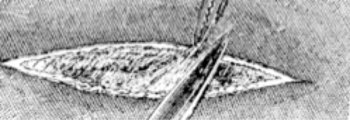
Erich Lexer performed the first “lift” and developed the subcutaneous facelift technique. The subcutaneous facelift was the gold standard for facelift techniques all the way up until the 1960s. The only real improvements were made with incision technique, not the actual procedure.
1974

The skin only facelift, however successful, only produced short-lasting results. But thanks to a few pioneering surgeons, techniques like deep fascial layer lifts and superficial musculoaponeurotic system (SMAS) reduced invasiveness and produced longer lasting results.
1980

Dr. Yves Gerard Illouz invented liposuction and cosmetic professionals found that it complimented facelift procedures by removing fat from the neck.
1990s

By the 1990s surgeons were refining incision locality with techniques like the bicoronal, endoscopic surgical techniques that provided better, more natural-looking results.
2016

Following the boom of minimally invasive alternatives, researchers began to focus on facelift options that will require less downtime, less stress to the body and still get people the results they desire. FaceTite was FDA approved in 2016 and has been a mainstay in minimally invasive facial rejuvenation treatments. FaceTite is a cosmetic treatment that can tighten and smooth the skin around your mouth, cheeks, chin, neck and jowls.
Present Day

Facelifts have come a long way since the 1900s. It’s not just removal of excess skin. There are plenty of options — both surgical, nonsurgical and a combination of the two — that can enhance your face and give you a natural, more youthful appearance.