Voted One of 'Austin's Top Docs' 2021-2026 by Austin Monthly Magazine

Call Now
Call Now
Voted One of 'Austin's Top Docs' 2021-2026 by Austin Monthly Magazine
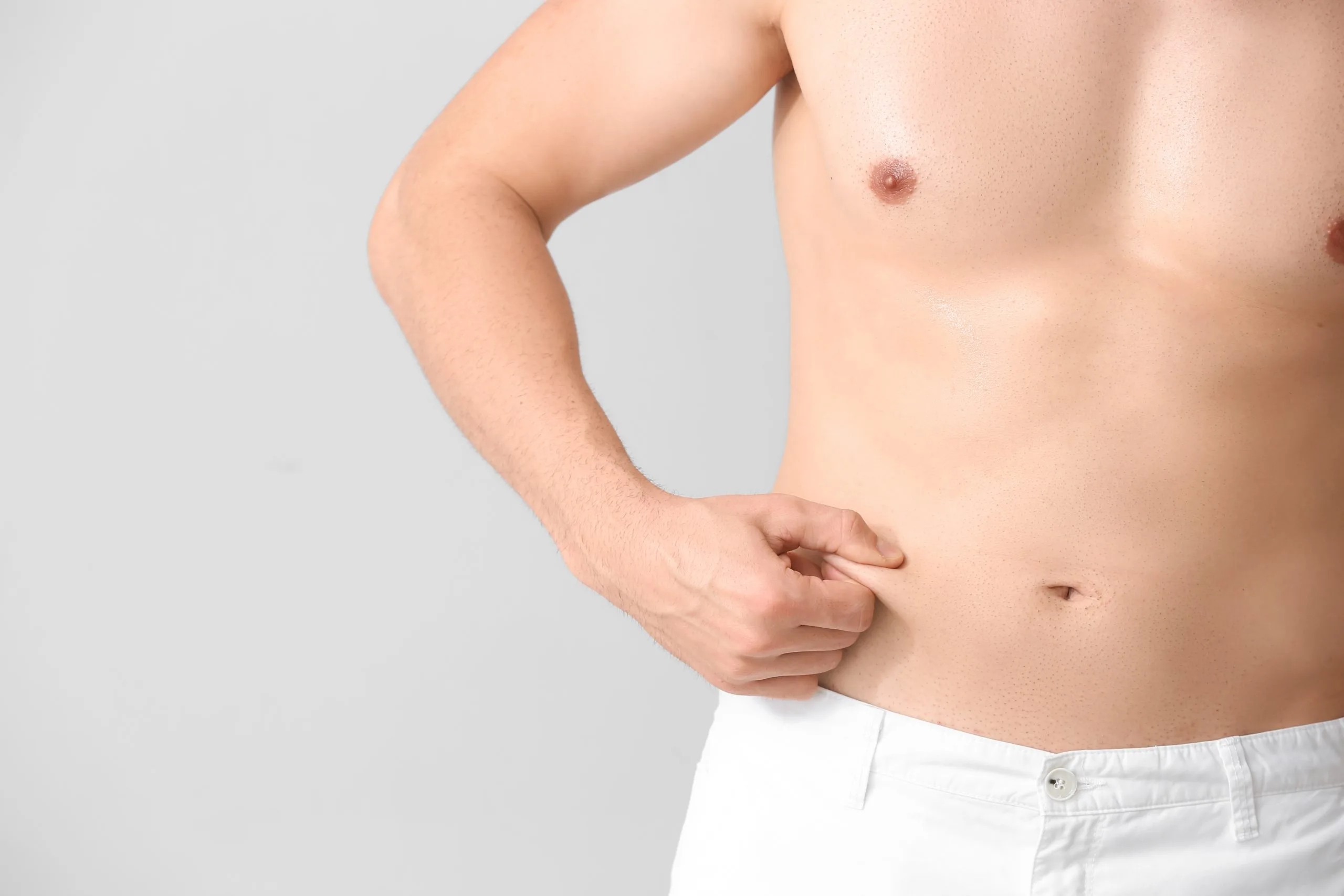
You’ve put in the work. Months, maybe years, of gym sessions and clean eating, and your body has changed everywhere except that one stubborn spot around your midsection. It’s a common frustration for men, especially after major weight loss, and it usually isn’t about effort – it’s about stretched skin and separated abdominal muscles that diet and exercise simply cannot fix.
A tummy tuck (technically called abdominoplasty) removes that excess skin, tightens the underlying muscles, and gives you a firmer, flatter, more natural-looking midsection that finally matches the effort you’ve put in everywhere else.
Below, we’ll walk through why men choose this surgery, what it actually involves, the risks to consider, and what the results typically look like.
There are a handful of situations where a man’s abdomen simply won’t respond to lifestyle changes alone:
Significant weight loss. Whether it came from bariatric surgery or a disciplined diet and exercise overhaul, losing a large amount of weight often leaves behind loose, deflated skin that hangs regardless of how lean you get underneath it.
Diastasis recti. Aging, past weight gain, or even certain genetic factors can cause the abdominal muscles to separate down the midline. This creates a persistent belly bulge that no amount of core training will close, because it’s a structural issue, not a fat issue.
Age-related skin laxity. Skin loses elastin over time. Past a certain point, it stops snapping back no matter how much weight you lose.
A stubborn “pooch” that won’t respond to training. Some men are simply built to carry fat and skin low on the abdomen, and no number of crunches will change that distribution.
If any of these sound familiar, you’re not alone, and you’re not failing at fitness. You’re dealing with a physical limitation that surgery is specifically designed to address.
A male tummy tuck follows the same core principles as the procedure for women, though the technique is often adjusted for a man’s anatomy. Men typically carry fat and muscle differently, and the goal is usually a flatter, more defined look rather than an hourglass contour.
During surgery, your surgeon makes an incision low across the abdomen, usually positioned so any resulting scar can be hidden beneath clothing. From there, the abdominal muscles are pulled together and stitched into a tighter position if separation is present, excess skin is removed, and the remaining skin is re-draped for a smoother, firmer result.
Many men choose to combine this with liposuction to refine the waistline and flanks at the same time, which can sharpen the overall contour in a single recovery period rather than two separate ones.
The procedure typically takes two to three hours under general anesthesia and is performed on an outpatient or short-stay basis, depending on the extent of the work.
The physical change is obvious, but most patients say the effects go beyond appearance:
A firmer abdominal profile that holds its shape even after the swelling settles
Correction of diastasis recti, which can also improve core strength and lower back support since the abdominal wall is functioning as a unit again
Clothes fit better, particularly around the waistband, since loose skin no longer bunches or creates an uneven line
A boost in confidence, both in and out of clothing, that many men describe as the most meaningful outcome of the surgery
Long-lasting results, since the skin that’s removed is gone for good, and the muscle repair is permanent barring future major weight changes
For men who’ve lost significant weight, this last point matters most. It’s often the step that makes the transformation feel complete, rather than half-finished.
No surgery is without risk, and a tummy tuck is a significant procedure, not a quick fix. Being informed here is part of making a good decision, not a reason to be scared off.
Standard surgical risks apply, including infection, bleeding, and reactions to anesthesia.
Scarring is permanent, though it’s typically positioned low enough to be hidden by underwear or swim trunks.
Some patients experience temporary numbness or changes in skin sensation around the abdomen, which usually improves over several months but can occasionally persist longer.
Fluid accumulation under the skin, known as seroma, is a possibility that your surgeon will monitor for during recovery, and in rare cases a drain may be needed for a short period afterward.
Recovery also requires real commitment. Most men need one to two weeks away from work, several weeks before returning to the gym, and about four to six weeks before resuming strenuous activity. Walking is encouraged early on to support circulation, but heavy lifting and core work need to wait until your surgeon clears you.
The single biggest factor in minimizing these risks is choosing a qualified, board-certified plastic surgeon with real experience in male body contouring. Anatomy, fat distribution, and aesthetic goals differ between male and female patients, and a surgeon who understands those differences will plan your procedure accordingly.
Swelling is significant in the first few weeks, so patience matters here. Most men see a noticeable improvement by the one-month mark, with the abdomen continuing to flatten and settle over the following months. Final results are usually visible around the three- to six-month point, once swelling has fully resolved and the skin has settled into its new position.
The results are considered permanent, provided your weight stays relatively stable afterward. This is why surgeons generally recommend waiting until you’ve reached a steady, maintainable weight before scheduling the procedure – it protects your investment and gives you the cleanest possible outcome.
A tummy tuck makes the most sense for men who are at a stable weight, in generally good health, and dealing with loose skin or muscle separation that exercise alone can’t resolve. It’s not a weight-loss procedure, and it works best as the final step after you’ve already reached your target physique, not as a shortcut to get there.
If that description fits where you are right now, the next right step is a conversation with a surgeon who can assess your anatomy and goals in person. At Elysian Plastic Surgery, Dr. David Dellinger takes a personalized approach to male body contouring, with the discretion and safety standards that make this decision feel like the confident one it should be. You can also explore his broader range of procedures for men if you’re considering more than one change as part of your overall goals.
Schedule a confidential consultation to find out whether a tummy tuck is the right fit for your body and your goals.

About the Author
Dr. David Dellinger, DO, FACS
Dr. David Dellinger is not only a double board-certified plastic surgeon but also a dedicated advocate for his patients. His philosophy is rooted in understanding your unique goals to create a personalized treatment plan.
Begin Your Confidential Journey

September 15, 2026
Discover other insightful and engaging content from our blog
Begin Your Confidential Journey