
IPL Photofacial BBL
in Austin and Dallas, TX
At Elysian Plastic Surgery in Austin and Dallas, TX, we offer IPL photofacial BBL to address a variety of skin concerns, helping you achieve a more radiant and even complexion. This advanced light-based treatment targets imperfections safely and effectively. It works by delivering specific wavelengths of light to the skin, which are absorbed by pigmented lesions and vascular concerns. This non-invasive approach encourages the body’s natural healing processes, revealing healthier-looking skin.
What is IPL Photofacial BBL?
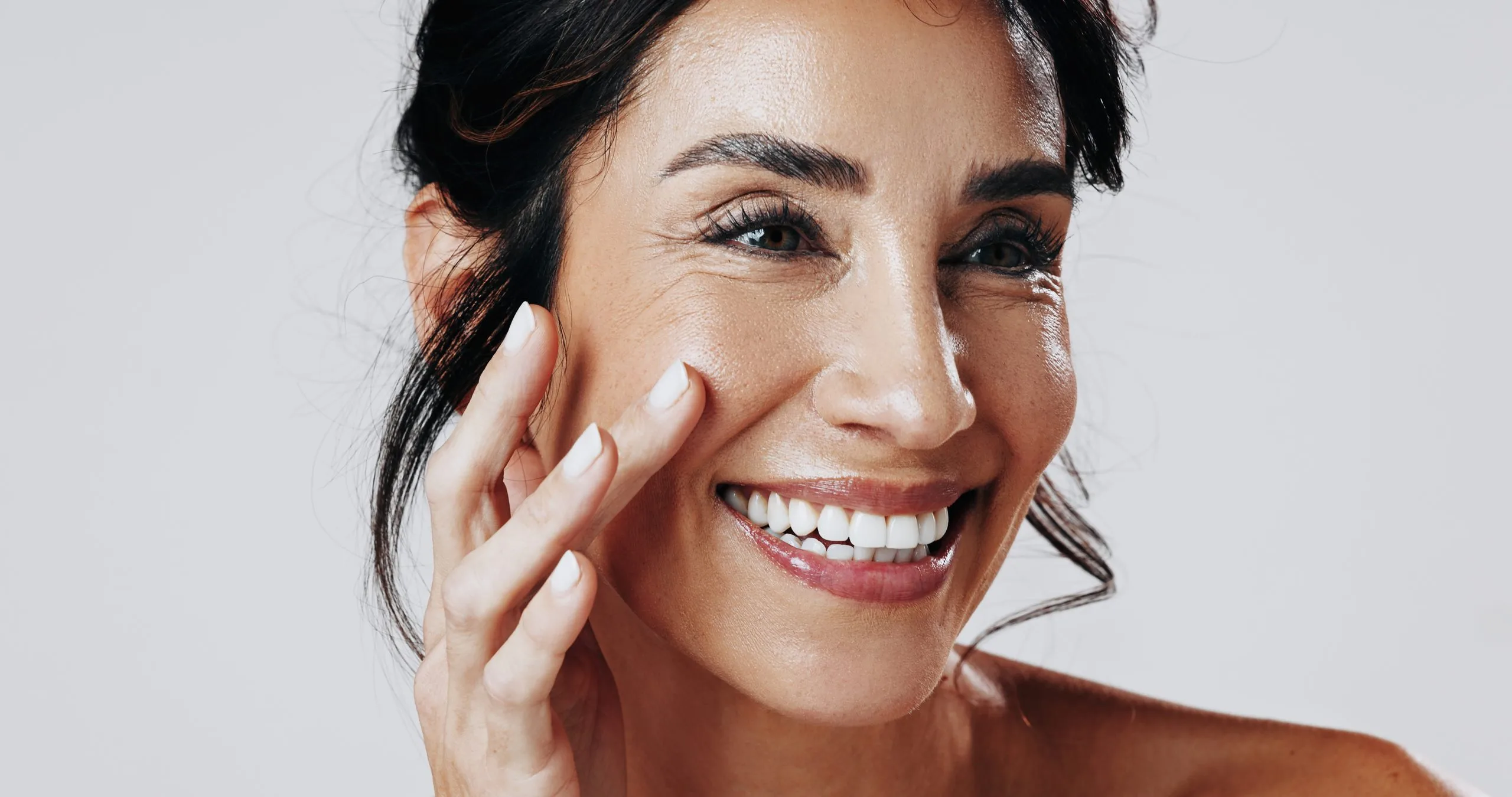
IPL photofacial BBL, or BroadBand Light, is a non-invasive light therapy that uses intense pulsed light to improve skin tone and texture. It delivers precise pulses of light energy to heat the upper layers of skin, stimulating collagen production and targeting unwanted pigment or vascular lesions. This process effectively reduces the appearance of sun damage, age spots, redness, and fine lines.

IPL Photofacial BBL Overview
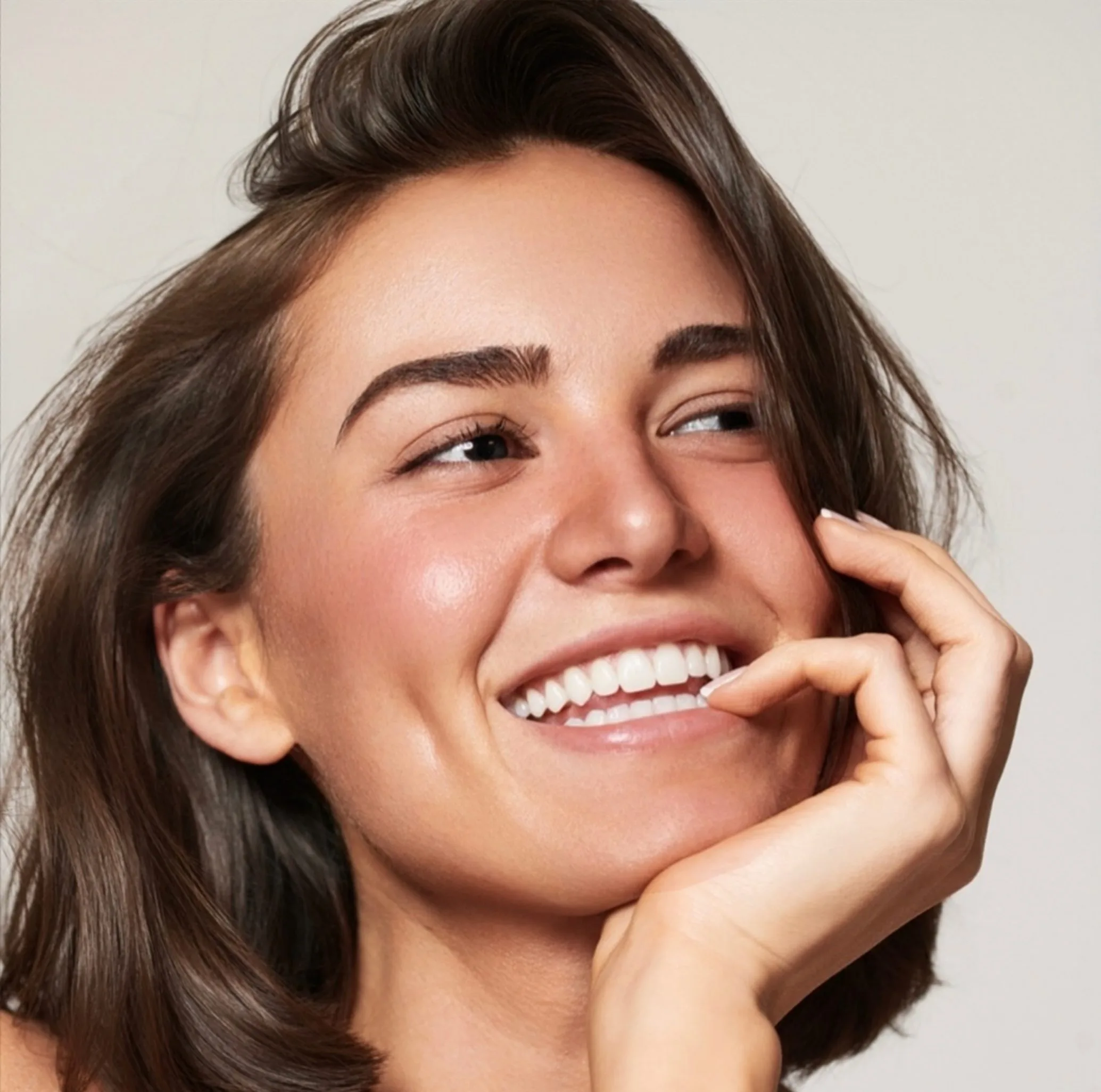
This advanced skin rejuvenation treatment uses a broad spectrum of light, filtered to specific wavelengths, to target various skin concerns without damaging the surrounding tissue. The light energy is absorbed by melanin in pigmented lesions and hemoglobin in vascular lesions, causing them to break down or coagulate. Over time, these treated areas naturally fade or are cleared by the body, resulting in a more uniform and youthful complexion.
Preparing For Your IPL Treatment
- Personalized Consultation for IPL
Before your IPL session, it is crucial to avoid direct sun exposure, tanning beds, and self-tanning lotions for at least two to four weeks. Additionally, discontinue the use of retinoids, alpha hydroxy acids, or other photosensitizing agents for a week prior to treatment. This helps minimize the risk of adverse reactions and ensures optimal results from your session.
- Pre-Treatment Guidelines
On the day of your treatment, please arrive with clean skin, free of makeup, lotions, or perfumes. Men should shave the treatment area if it is on the face or neck. We will provide protective eyewear to shield your eyes from the intense pulsed light during the procedure.
- What to Avoid Before
To prepare your skin effectively, we recommend avoiding certain medications and supplements that can increase photosensitivity, such as St. John’s Wort. It is also wise to hydrate well in the days leading up to your appointment. Following these guidelines helps ensure a smoother treatment and a more predictable outcome.
During Your IPL Photofacial BBL

The Treatment Process
During the procedure, a cooling gel may be applied to the treatment area to enhance comfort and protect the skin. You will wear protective eyewear throughout the session to shield your eyes from the bright light. The handpiece is then guided across the skin, delivering precise pulses of light.

What to Expect
Each pulse of light feels like a quick, warm snap or a rubber band flicking against the skin, which is generally well-tolerated. The duration of the treatment depends on the size of the area being treated, but most sessions are completed within 15 to 30 minutes. You can typically resume most daily activities immediately afterward.

Treatment Comfort
While the procedure is generally comfortable, some individuals may experience a mild stinging sensation. Topical numbing cream can be applied beforehand for those with sensitive skin. Our team prioritizes your comfort and will ensure you feel at ease throughout the entire process.

Post-Treatment Care
Immediately after the session, your skin may appear slightly red or flushed, similar to a mild sunburn. Pigmented spots may darken initially, which is a normal and expected part of the process. We will provide specific post-care instructions to optimize your results and minimize any temporary side effects.
Schedule Your Consultation
Recovery After IPL
Immediate Post-Treatment
Following your IPL photofacial BBL session, it is common to experience some redness and mild swelling, which typically subsides within a few hours to a day. Freckles and sunspots may appear darker initially, resembling coffee grounds, before gradually fading. This darkening indicates that the treatment was effective in targeting the pigmentation.
Daily Care & Sun Protection
It is crucial to protect your treated skin from sun exposure during the healing process and afterward. Apply a broad-spectrum sunscreen with an SPF of 30 or higher daily, and wear protective clothing and hats when outdoors. Avoid picking or scratching any darkened spots or crusting to prevent scarring.
Moisturizing & Makeup
Keep your skin well-hydrated with a gentle, non-irritating moisturizer. Makeup can usually be applied the day after treatment, once any initial redness has diminished. Avoid harsh exfoliants or aggressive skin treatments for at least one week post-procedure to allow your skin to heal properly.
When to Seek Advice
While complications are rare, contact our office if you experience prolonged redness, swelling, blistering, or any signs of infection. Our team is available to address any concerns you may have during your recovery period. We are committed to supporting your healing journey.
Expected Results and Timeline
You may begin to notice improvements in your skin tone and texture within one to two weeks after your first IPL photofacial BBL treatment. Pigmented lesions will gradually lighten and fade, while redness from vascular lesions will diminish. For optimal results, a series of 3-5 sessions, spaced 3-4 weeks apart, is often recommended.
Ideal IPL Photofacial BBL Candidate
-
Individuals with sun damage, age spots, freckles, or uneven skin tone.
-
Those experiencing facial redness, rosacea, or visible blood vessels.
-
Patients seeking to improve overall skin texture and boost collagen production.
-
People with lighter to medium skin tones (Fitzpatrick skin types I-IV) for safety and efficacy.
Benefits of IPL Photofacial BBL
IPL photofacial BBL offers a noticeable reduction in the appearance of hyperpigmentation, such as sunspots and freckles, leading to a more uniform complexion. It also effectively diminishes facial redness and visible blood vessels, improving overall skin clarity. Patients often observe a smoother skin texture and a brighter, more youthful glow after a series of treatments.
IPL Photofacial BBL Cost
in Austin and Dallas, TX
In Austin and Dallas, TX, the cost for an IPL photofacial BBL treatment typically ranges from $350-$650 per session. Please note that pricing varies significantly based on the treated area’s size, the number of sessions required, and individual patient needs. For a personalized quote and to discuss your specific treatment plan, we invite you to schedule a consultation with our team.

Why Choose Elysian Plastic Surgery For IPL Photofacial BBL?
Choosing Elysian Plastic Surgery for your IPL photofacial BBL in Austin means entrusting your skin to a team dedicated to patient care and natural-looking results. We prioritize a thorough understanding of your aesthetic goals and provide a customized approach to skin rejuvenation. Our commitment is to deliver a comfortable and positive experience throughout your treatment journey.
Common IPL Photofacial BBL Questions
How many IPL Photofacial BBL sessions are needed?
Most patients achieve optimal results with a series of 3 to 5 treatments. These sessions are typically spaced about 3-4 weeks apart to allow the skin to heal and respond effectively to the light energy. Your specific treatment plan will be customized based on your skin concerns and desired outcome.
Is IPL Photofacial BBL painful?
Patients often describe the sensation as a mild, brief snap or a warm rubber band flicking against the skin. While discomfort is usually minimal, a topical numbing cream can be applied beforehand to enhance your comfort. Our team works to ensure your experience is as pleasant as possible.
What is the downtime after IPL Photofacial BBL?
There is typically very little to no downtime associated with IPL photofacial BBL treatments. You may experience some temporary redness and mild swelling, similar to a sunburn, for a few hours to a day. Most patients can return to their normal activities immediately after the procedure.
Can IPL Photofacial BBL treat all skin types?
IPL photofacial BBL is most effective and safest for individuals with lighter to medium skin tones (Fitzpatrick skin types I-IV). Patients with darker skin types may be at a higher risk of hyperpigmentation or other complications due to higher melanin content. A thorough consultation will determine if this treatment is suitable for your skin type.
How long do IPL Photofacial BBL results last?
The longevity of IPL photofacial BBL results varies among individuals, but improvements can last for several months to a year or more. Maintaining results involves consistent sun protection and a good skincare regimen. Many patients choose to have maintenance treatments annually to sustain their clear, even complexion.